
Period Property Painting Newport
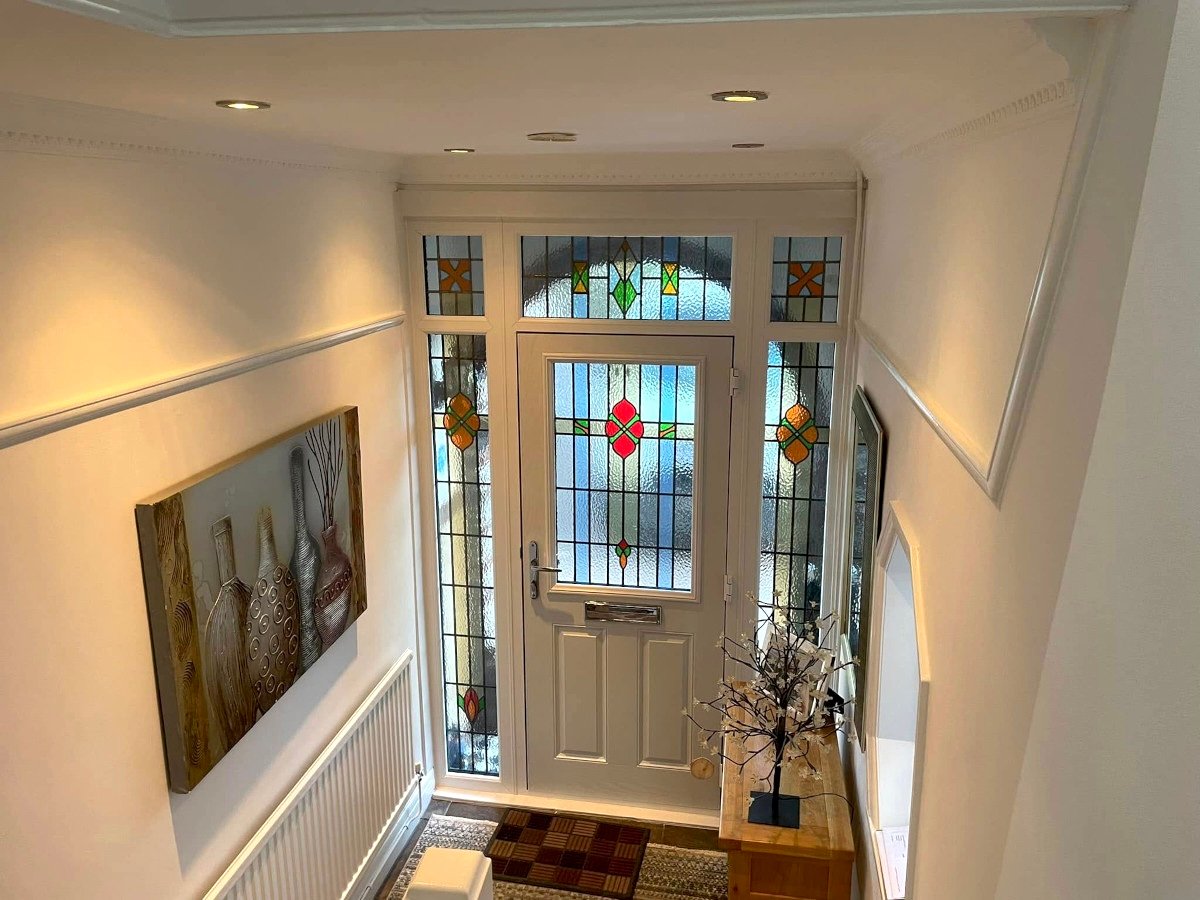
Orchid Decor are period property painting specialists in Newport. We are painters and decorators covering Stow Hill, Baneswell, Maindee, Caerleon, Bassaleg, and Rogerstone.
Your Victorian or Edwardian home deserves the right approach, not a standard rollover. We work exclusively with breathable finishes, lime-compatible primers, and heritage colour systems.
- Interior period painting
- Exterior lime render and sash windows
- Heritage colour specification
- Whole-house period redecoration
Call 01633 603793 to book a free survey.
Reviews From Newport Customers

Newport’s Period Property Stock
Newport’s Victorian and Edwardian housing is not uniform. The area you live in shapes the job.
Stow Hill and Baneswell
Some of Newport’s oldest surviving terraces, built between the 1840s and 1880s. Solid-wall properties with lime plaster throughout, high ceilings, deep cornicing, and chimney breast alcoves. Some are Grade II listed, so external colour choices and materials need care.
Maindee
Mostly 1880s to 1900 terraces with original joinery, bay windows with terracotta detailing, and lime plaster. Bay window painting is one of the most common requests we get in Maindee.
Caerleon
Primarily Edwardian, detached and semi-detached with generous room proportions. Original joinery, picture rails, and ceiling roses frequently intact. Period colour specification really matters here.
Bassaleg and Rogerstone
A mix of Victorian and Edwardian detached villas, often with rendered fronts. Larger projects where the rendered elevations require breathable masonry paint applied over a correct primer.
Working With Lime Plaster and Period Surfaces
Most decorators treat lime plaster like modern plasterboard. That is where problems start.
Breathable Paint Systems
Lime plaster is vapour-permeable. Standard vinyl emulsions form a skin that blocks moisture movement. Over time, paint bubbles, lifts, and peels. The correct approach is breathable paint on every coat: limewash, distemper, or modern mineral and clay-based paints.
Primers for Lime Surfaces
An alkali-resistant primer designed for lime surfaces gives the topcoat something to hold to without sealing the substrate. Skipping this step causes uneven absorption and a patchy finish.
Old Horsehair Plaster
Common in Newport Victorian terraces, horsehair plaster has a different texture and porosity to newer plaster. It may need a stabilising coat before any finish is applied, particularly where the surface has been disturbed.
Settled Cracks and Cornicing
Cracks along cornicing lines and ceiling-wall junctions are normal in a building that has moved slowly over a century. The treatment is flexible filler worked gently into the crack, not rigid cementitious compounds that will crack again within a season.
Get My Free Quote
Speak to a local period property painter today
Interior Period Features
The details are what make a period interior. Getting them right takes patience and the right specification.
Cornicing and Ceiling Roses
Plaster cornicing has depth and shadow lines that need careful cutting-in. Avoid thick coats on ornate cornicing. Where paint has built up over decades, light stripping and raking back is the starting point.
Picture Rails and Dado Rails
In a period property, these work much better picked out in a contrast. The dado zone can take a deeper shade than the field above it. This is period-correct and gives the room a sense of scale.
Chimney Breasts
In most Newport Victorian terraces, the chimney breast is the strongest architectural element. Treating it as a feature wall with a deeper colour, and painting the alcoves in a lighter shade, transforms the room.
High Ceilings
Common in Stow Hill and Baneswell properties. Our period property painters Stow Hill are experienced with the high ceilings and original plaster found on those streets — preparation matters more at this height because imperfections catch light differently. For interior painting across the whole property, we coordinate the full scheme in one visit.
For ceiling painting on period properties, we use flat finishes that suit the era and avoid the plasticky sheen of standard vinyl silk on old plaster.
Exterior Period Work
Exterior painting on a period property is where the wrong choice causes the most expensive problems.
Lime Render
Standard masonry paint traps moisture inside the render, causing freeze-thaw expansion and render failure. The correct system uses a breathable silicate or mineral masonry paint. For properties needing render repair, our masonry painters can advise on lime-compatible systems.
Sash Windows
Each sash has six faces, not two. We paint all faces, ease any binding caused by paint build-up, and use a flexible exterior wood paint. For full treatment of window frame painting, see our dedicated page.
Timber Fascias and Brickwork
Where original timber fascias are sound, preparation and quality exterior wood paint is the right call. Where rot has got in, the affected section needs replacing before paint goes on. For properties with existing exterior paint, we work alongside our exterior painters to cover the full job.
Heritage Colours and Paint Choices
Choosing the right colours for a period property is a different task to picking paint for a new-build.
Era-Appropriate Colours
Victorian interiors used deeper, richer tones in reception rooms. Stow Hill terraces from the 1860s would originally have had strong greens, Prussian blues, and deep reds. Edwardian properties moved towards softer greens, warm creams, and sage tones.
Farrow & Ball
The most widely known heritage paint brand. Colours like Hague Blue, Down Pipe, and Elephant’s Breath work well in Victorian and Edwardian interiors. The pigment depth is genuinely different from standard trade emulsions.
Little Greene and Earthborn
Little Greene’s Intelligent Matt emulsion is particularly good on older plasterwork, with a chalk-flat finish. Earthborn Claypaint is entirely breathable and produces a flat finish suited to period plaster. For Baneswell or Stow Hill terraces with original lime plaster, Earthborn is worth specifying.
Listed Properties and Conservation Areas
For Grade II listed properties or those in Newport’s conservation areas, external colour choices may need to align with planning guidance. We flag this at survey and advise accordingly.
Our Process
1. Free Survey
We visit the property, walk every room with you, and assess the surfaces. On a period property, this means checking plaster condition, damp or salt staining, exterior render and joinery condition, and understanding which features you want to preserve.
2. Written Specification
You receive a written specification including surface preparation method, primer, paint products, number of coats, and any repair items. Fixed price. No variations after the fact unless you add to the project.
3. Preparation
The longest and most important part. Old paint may need stabilising or stripping. Horsehair plaster may need a consolidating coat. Cracks are filled correctly. Cornicing is cleaned and raked out. Sash windows are freed and eased.
4. Application
Primer first, then finish coats. On period plaster, we work in thin coats, letting each one dry fully. Heritage colours are applied carefully around cornice lines, rails, and joinery details.
5. Handover and Review
We walk through the finished project with you before we leave. Any touch-up items are dealt with on site. We leave the property clean and tidy, with leftover paint labelled and stored for future touch-ups.
Period Property Painting Costs in Newport
Prices below are estimates only. Every property is different. Call 01633 603793 for a precise quote.
Interior Costs
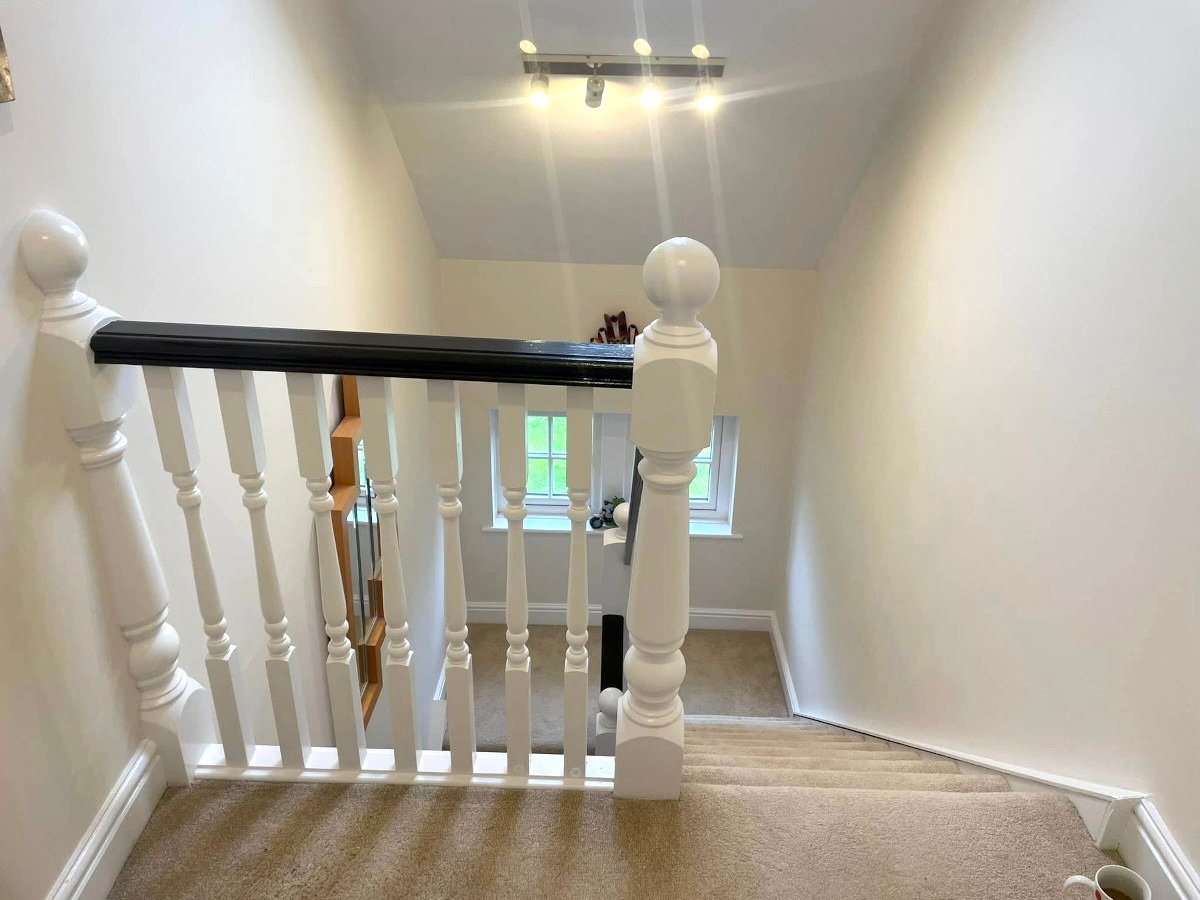
Reception room with high ceilings and cornicing: £600 — £1,100. Bedroom with period features: £450 — £800. Hallway and staircase: £700 — £1,400. Whole Victorian terrace (3 beds): £3,500 — £6,500. Whole Edwardian detached (4 beds): £5,500 — £9,000.
Exterior Costs
Victorian mid-terrace: £1,800 — £3,200. End-terrace with bay window: £2,200 — £3,800. Edwardian semi-detached: £2,800 — £4,500. Detached villa: £4,000 — £7,000. Sash windows: £150 — £300 per window.
Heritage Paint Costs
Heritage paints (Farrow & Ball, Little Greene, Earthborn) add material cost. A typical room using Farrow & Ball adds £80 — £200 in paint costs. All figures are guides. Final price depends on surface condition, repairs, paint specification, and access.
Areas We Cover
Orchid Decor cover Newport and surrounding areas, working across NP19 and NP20.
Core period property areas:
Stow Hill and Baneswell (NP20) — 1840s to 1880s Victorian terraces, some Grade II listed. Maindee (NP19) — 1880s to 1900 Victorian terraces, bay windows. Caerleon (NP18) — Edwardian detached and semi-detached. Bassaleg and Rogerstone (NP10) — Edwardian and Victorian detached villas.
Also covering:
Malpas, Bettws, and Ringland (NP20). Liswerry and Alway (NP19). Langstone and Llanwern (NP18). Pillgwenlly and the wider NP19 postcode.
If you’re looking for painters and decorators for your Victorian or Edwardian home, call us directly. We can usually advise within a short conversation whether your project is right for us.
Period Property Painting FAQs
Get My Free Quote
Fill in the form below for a free quote: